
8 Tips to Improve Outdoor Safety For Residents
August 22, 2024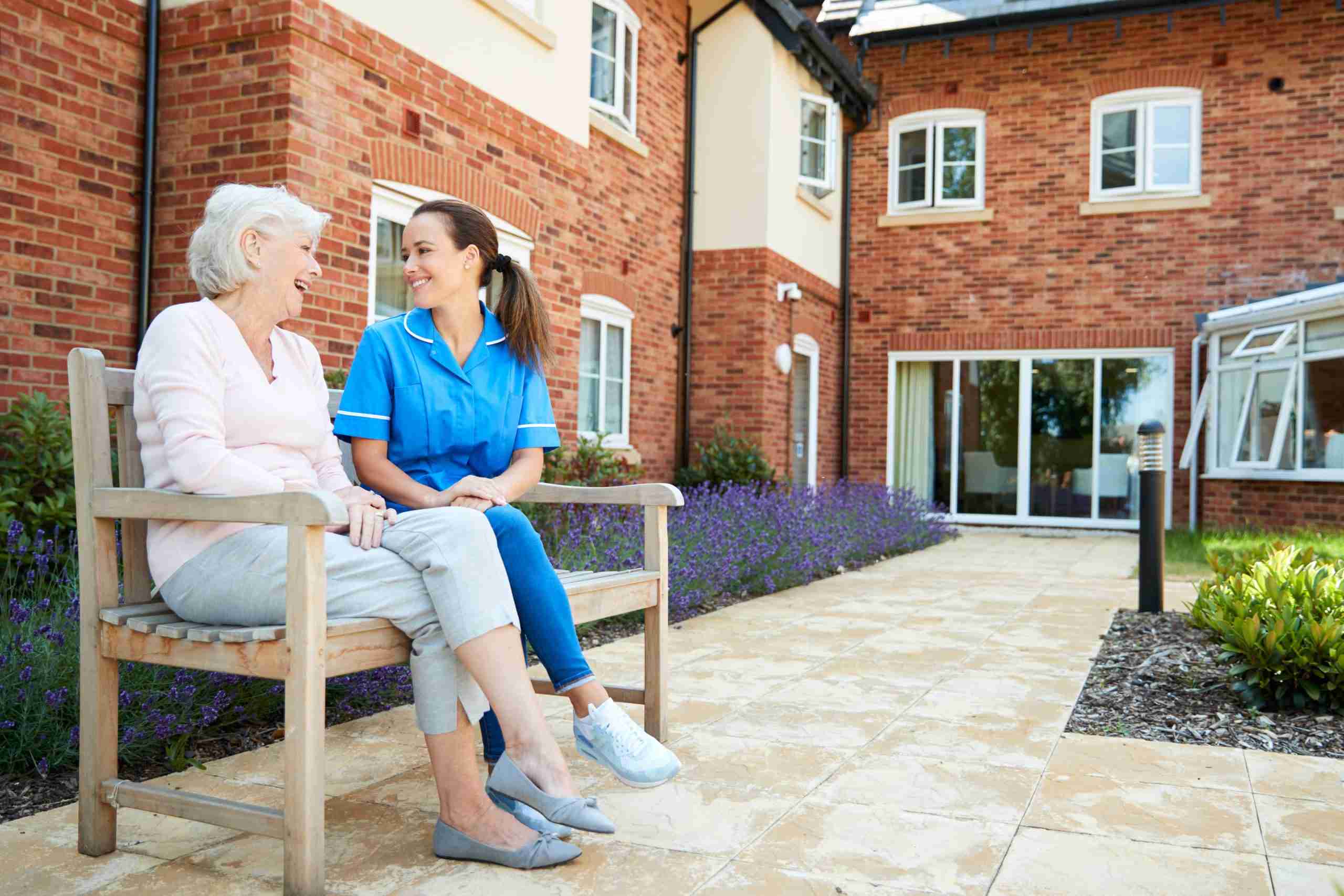
Long-term care facilities face a number of challenges when it comes to providing everything patients need while also keeping them safe. Movement and time spent outside can go a long way in improving the overall mood and health of long-term care residents. Although it can be difficult, there are some ways to help create a safe outdoor space for residents within a long-term care community. Here are some tips to improve outdoor safety for residents:
1. Provide Clear and Level Walkways
Smooth, level, and clear pathways and walkways are essential for any outdoor space in a long-term care facility. Residents may already be dealing with instability, balance issues, and limited mobility.
Uneven walkways, cracks, or debris on walkways present major fall risks. You can implement fall monitoring to help monitor for falls when residents are outside, but you can make a big difference in preventing them by reducing trip and fall hazards as much as possible.
2. Focus on Accessibility
Accessibility in long-term care facilities needs to extend to outdoor spaces as well. Gently sloping ramps and specialized landings can help residents who use wheelchairs and mobility aids safely access the outdoor space.
Wide pathways help make navigation in the outdoor space easier for everyone, which can encourage use. Rails and traction strips near curbs, uneven terrain, etc. can help make navigation safer and easier for these residents.
3. Add Plenty of Seating
Many long-term care residents have trouble standing for long periods of time and tend to have mobility issues. Adding plenty of comfortable seating throughout the outdoor space provides places for residents to sit and enjoy the area.
Seating also provides places to rest and take breaks, which can help reduce the risk of falls from fatigue. Multiple benches along walkable pathways give residents plenty of options for a quick rest when they need it. Plus, if they aren’t worrying about falling or getting tired, they may feel encouraged to move around more and more often.
4. Install Fences and Borders
In addition to level and clear walkways, it’s important to make good use of fences and borders and to make them noticeable visual cues. Good landscaping is beautiful and can be relaxing and soothing. But, flower beds, mulched areas, grassy areas, varying terrain, and more can increase the risk of tripping and falling.
By using noticeable fences and borders to physically and visually block those spaces, you allow residents to identify them easily and avoid potential fall risks. It’s curb appeal without the fall risk! With proper borders and fences, you can improve outdoor safety for residents while still keeping attractive landscaping features that will increase their enjoyment of an outdoor space.
5. Post Large, Bright Visual Cues
Outdoor spaces, especially if they are new and unknown, can be unnerving for long-term care residents. Often, familiarity can add a sense of comfort and safety. Posting large, bright signs can help residents and visitors navigate and feel more comfortable in an outdoor space. They can also provide wayfinding to help residents find entrances, seating areas, etc.
You can also use bright and clear visual cues for potential tripping hazards or temporary dangers. Elevated areas, steps, and curbs can be painted in bright colors to make them stand out and help residents and caregivers notice the changes in elevation despite dimming eyesight. Outlining temporary hazards with yellow tape or bright cones or flags can help residents identify and avoid unexpected dangers until they are repaired or removed.
6. Provide Individual Monitoring and Emotional Security
With assisted living and long-term care, it’s important to be able to monitor and locate individual residents to provide optimal care and to be able to assist quickly in case the need arises. These are essential technologies that improve long-term care. Individual monitoring can also improve outdoor safety for residents while also offering some emotional security and independence.
Boredom, searching for a quieter environment, and more are common causes of wandering. Being able to spend some time outside walking around or even just sitting can go a long way in reducing wandering and helping to prevent elopement.
Comfortable wearables or pendants integrated with nurse call and access control as part of a wander management system can provide residents and staff with peace of mind. If residents are wary of the outdoor space at first because it’s unfamiliar or are concerned about navigating it, wearables like this can often soothe those fears.
Not only do they know someone is looking out for them even if they are able to have alone time outside, but they also know they can call someone if they need assistance. This technology and the peace of mind it gives them help residents do more and have more independence without risking their safety even in an outdoor space.
7. Manage Access to and From the Space
Wandering and elopement are common security concerns for assisted living facilities. Not only does a safe outdoor space provide a place where residents can relax in nature, but it can also allow them to roam freely and independently while still being able to be easily located.
Managing access to and from the outdoor space improves outdoor safety for residents. In addition to preventing unmonitored access, it can also help reduce potentially dangerous wandering by keeping residents within a designated area while also helping to prevent elopement.
Creating safe spaces for residents and simply having an area where they can spend time outside can do wonders for alleviating stress and reducing the potential for injury. Pairing wander management with access control allows you to include resident locating and implement geofencing and customizations for more flexible access control.
These are essential components of an effective wander management system. The benefits and features translate to more freedom and independence for residents, which helps to increase their overall satisfaction without sacrificing safety or quality of care. Often, wander management wearables can also detect loitering and fall risk, which only further improves outdoor safety for residents in addition to quality of life and care.
8. Maintain the Area
Fallen branches and twigs, rocks, other debris, and even leaves, especially if they get wet, are all trip, slip, and fall hazards. Maintaining the outdoor area, including landscaping and hardscaping, is important to keep walkways clear and in good condition to prevent falls.
Regular cleanup and monitoring can help keep walkways clear and landscaping contained. It can also monitor and prevent cracks or dips in paved walkways from becoming an issue. Placing trash cans conveniently throughout the outdoor space can help reduce litter and keep potential extra debris from accumulating on and around walkways.
Improve the Security of Your Long-Term Care Facility With NEPPS
These are just a few tips to improve outdoor safety for residents in long-term care communities. When residents have a safe outdoor space where they can walk, socialize, or just be outside, it can seriously improve their health. If you’re interested in senior living security solutions for your facility, contact NEPPS at 1-800-736-1456.